Author: Tom

  • Invest in Yourself

    Invest in Yourself

    As a student that has remained on the presidents list, I have worked hard to get to where I am at. Along the way I learned many new skills and my world has been opened to the possibilities that lay before me. Thanks to my college classes, I now produce professional photography. Many people ask me how I produce such quality work. My answer is always the same – “If I have seen further than others, it is by standing on the shoulders of giants” – Isaac Newton.

    I find that to encourage other people to take the hero’s journey in college is to first show them why. When we produce quality work people will become inspired and curious. People will ask questions and try to learn. When this happens, we will have 3 choices: 1. We can give them free advice, 2. We can charge them for lessons, or 3. We can direct them to Peninsula College.

    While I may charge them for lessons, I will always first recommend Peninsula College for all of the amazing people who truly care about the students. I will always praise my mentors for the valuable insight, instruction, and support that I received along the way. While I can teach people some things, Peninsula College has the capability to not only teach a wide range of subjects, they are also equipped with resources to help students reach their goals.

  • The Magic of Seven – Millers Law vs Choice Overload Hicks Law

    The Magic of Seven – Millers Law vs Choice Overload Hicks Law

    George A. Miller introduced Miller’s Law in 1956. This law states that the average person can hold about 7 items in their working memory at once, plus or minus two. This law has shaped everything from phone number formatting to UX design. Millers law calls for simplicity without sacrificing depth of information. This can be done by organizing information into meaningful chunks of text and limiting the number of menus, parent pages, child pages and grandchild pages that a user must go through to select.

    William Edmund Hick and Ray Hyman developed Hick’s Law which states that the time it takes to decide increases logarithmically with the number of choices. This means that more presented options will result in slower decisions. Fewer choices result in faster action which is helpful for creating call to actions. Fewer choices isn’t the only thing to consider, hierarchy and design clarity are crucial to present information that matters and guide the user.

    Both laws really work well together when creating webpages and call to actions. When applied correctly the user will be more likely to continue navigating through the website, retain important information, and ultimately make a purchase. I look forward to using this information in my current and future work.

  • My Mission Badge – “Rooted to Rise”

    My Mission Badge – “Rooted to Rise”

    My mission badge is a visual declaration of purpose. I create art that empowers, connects, and remembers. As founder of Cedar & Shore Studio, my work blends soulful photography, poetic design, and emotionally attuned storytelling. This badge will symbolize the values I live by. These values are gratitude, legacy, and creative leadership. This badge will also serve as a compass for every project that I work on.

    The badge will convey three core ideas:

    •            Rootedness: I honor mentors, collaborators, and place. My badge will include cedar roots and tide lines to represent deep connection and memory.

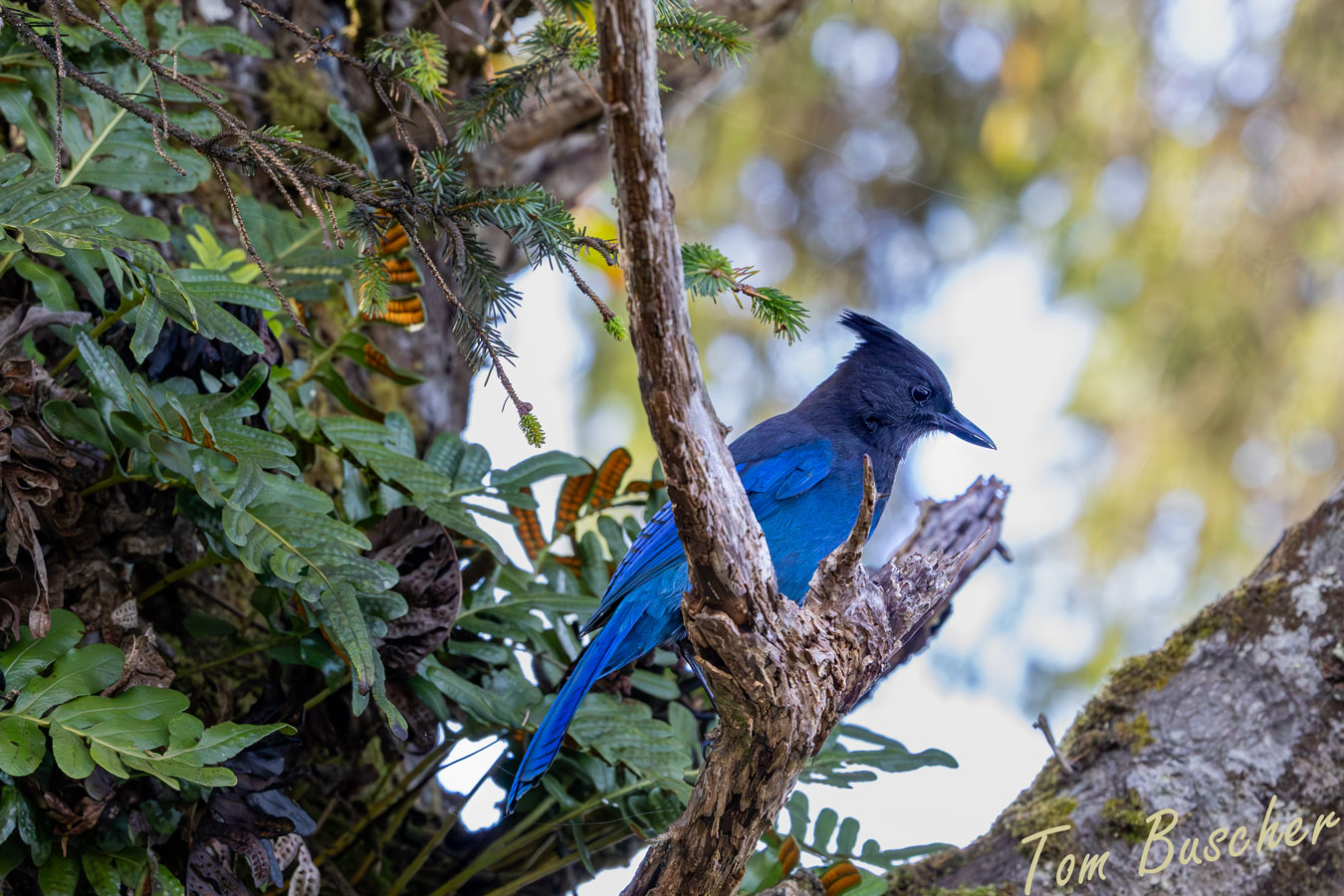
    •            Creative elevation: I rise through collaboration, not competition. A rising Stellar J will symbolize movement, vision, and emotional flight.

    •            Legacy through story: Every image, every design, every word is part of a larger tale. A subtle scroll motif will nod to the stories I’m building – both visual and written.

    Rough Sketch Concept for the badge:

    •            Shape: A circular badge, symbolizing wholeness and continuity.

    •            Centerpiece: A cedar tree with exposed roots, its trunk forming a camera on a tripod.

    •            Upper arc: A Stellar J in flight, wings echoing the shape of a rising tide.

    •            Lower arc: Gentle wave lines, with a scroll tucked among them.

    •            Text ribbon: “Rooted to Rise” wrapping the base

  • Gen X vs. Gen Z vs. Baby Boomers vs. Millennials

    Gen X vs. Gen Z vs. Baby Boomers vs. Millennials

    Tech & Economy

    As a Millennial, I feel that my generation had the most pressure to adapt to a rapidly changing world. We grew up at the end of an era when our Dollar held more purchasing power, Jobs were readily available and paid according to market conditions, Families still had dinner together at the table, and people had more personal connections via face-to-face interaction. As we entered adulthood, we witnessed 9/11, The Great Recession, a rapidly changing economy, booming costs outpacing wages, and a larger focus on technology. We had our challenges to face, and this is why I compared Millennial’s to each of the other generations.

    Out of all the generations that I compared Baby Boomers most certainly had more opportunities through employment. They had the luxury of stability, pensions, Employer loyalty, and had less hurdles to jump to achieve the American Dream. Gen X still enjoyed many of the same opportunities as the Baby Boomers but were also more skeptical and self-reliant while navigating corporate disillusionment and higher divorce rates. Gen X also began seeing the dawn of the technology era with the first Apple Computer.

    Finally, out of all this chaos Gen Z was born into a world of technology and subscription-based services. They are fluent in both technology and social activism which spreads quickly throughout the online world via apps like TikTok and Snapchat. Their attention span and mental health challenges reflect over-stimulation of their environment.

    Each generation carries its own personalities, strengths, and weaknesses. They are products of their environments

    All information was obtained from personal knowledge and research using Copilot.

  • Agents Of Discovery Game

    Agents Of Discovery Game

    For this assignment I decided to promote education over advertising. I chose to play a game called Agents of Discovery which has missions in both the U.S. and Canada parks. This game is presented to players on their mobile smart phones via an app that can be downloaded from the app store app. The mission that I played has 9 challenges at Carrie Blake Park in Sequim Washington. I successfully completed 8 of them.

    Overall, this game was interesting. I was prompted to move around the park to find each challenge. Each challenge presented simple and easy to read information about reclaimed water and its usage along with an extra recycling information challenge. These challenges were completed using augmented reality that made it more engaging to play as you had to move your phone around to find objects and engage with the content. 99% of these worked flawlessly. The recycling challenge failed to work for me 4 times and I finally gave up. I just could not get it to work, and so I forfeited the prize for completing the mission successfully.

    I find that this game is engaging and well thought out. I enjoyed playing because it promotes education and, even though it is made for 3rd grade level education, I learned more about the park I often drive by. I do feel the game creators could debug the recycling challenge at the minimum. I also feel that there needs to be better tutorial. Most of the navigation and how to play the games were not available. I had to self-learn how to play the challenges and how to zoom in to navigate better. I also see that liability was a main concern for the game creators as they kept the challenge points well away from the water that they were teaching about. This caused many missed opportunities to explore amazing places in the park and further learning.

    Link to Infographics and more information Agents of Discovery | Sequim, WA – Official Website

  • Social Media Impacting People Through Storytelling

    Social Media Impacting People Through Storytelling

    Once upon a time, back when the wise were still young, storytelling was only found in books, newspapers, magazines, and other printed content. People would also gather around the campfire or listen to the radio to convey stories through Spoken words. Storytelling had limitations to its reach and speed of transmission. This is not the case anymore. Today, we have technology beyond what many have ever thought to be possible, and it is widely used around the world – even in remote regions such as the Amazon Rainforest.

    This technology has brought forth social media platforms where people experiencing the online world can congregate by the billions. No longer is storytelling limited to the few. Now everyone, everywhere, can experience the story in real time. This not only engages audiences, but it also truly influences them.

    https://www.facebook.com/share/p/1C2MsEkbnF/ Is a great example of this topic. This post blends creative written storytelling along with visual storytelling through photography. This link does send you to one of my recent posts for my business Cedar & Shore Studio, which I do actively promote. Regardless, of my personal love for my brand – This post is a great example. I have posted this on several social media platforms, and I have found that not only do people appreciate photography, but they also truly and deeply engage with the written story that accompanies this image. This matters because photography alone has never inspired so many amazing heartfelt comments to which I am truly honored and appreciative for.

    Other links to supporting information and infographics (outside sources that I am not affiliated with):

    The Impact of Visual Storytelling on Social Media – FasterCapital

    10 Stats That Show the Impact of Infographics on Social Media – Red Website Design

    The Power of Storytelling for Social Businesses – Conscious Magazine

  • Inaccessibility is Exclusion: Dignity, Design, and the Digital Shift

    Inaccessibility is Exclusion: Dignity, Design, and the Digital Shift

    Inaccessibility is not just a minor inconvenience. It is a quiet form of exclusion. When environments are not designed with diverse needs in mind, they send a message – “You were not considered.” And for over one billion people around the world this message is received daily, about 15% of the population according to the World Health Organization. This message is heard, seen, and felt daily in many areas such as websites that do not include ALT text, videos without captions, and staircases without ramps.

    One powerful example of accessibility in action is the Smithsonian Museum approach to virtual exhibition design. They not only follow the guidelines for compliance, but they also embrace inclusive design. They use tools such as screen reader compatibility, high contrast visuals, captioned videos, and multiple navigation modes. These features help everyone to be able to enjoy the exhibits with ease.

    True accessibility begins with listening and involving people with disabilities to be included in testing and design processes. This results in an inclusive design that benefits everyone, not just people with disabilities. A ramp not only helps a wheelchair user, but also a person with a stroller. Captions not only help those who are hard of hearing, but also those who are watching in loud environments. Websites with high contrast visuals, ALT text, and intuitive navigation help everyone easily explore and enjoy the information that is presented.

  • Thoughts & Exploration on Mapmaking

    Thoughts & Exploration on Mapmaking

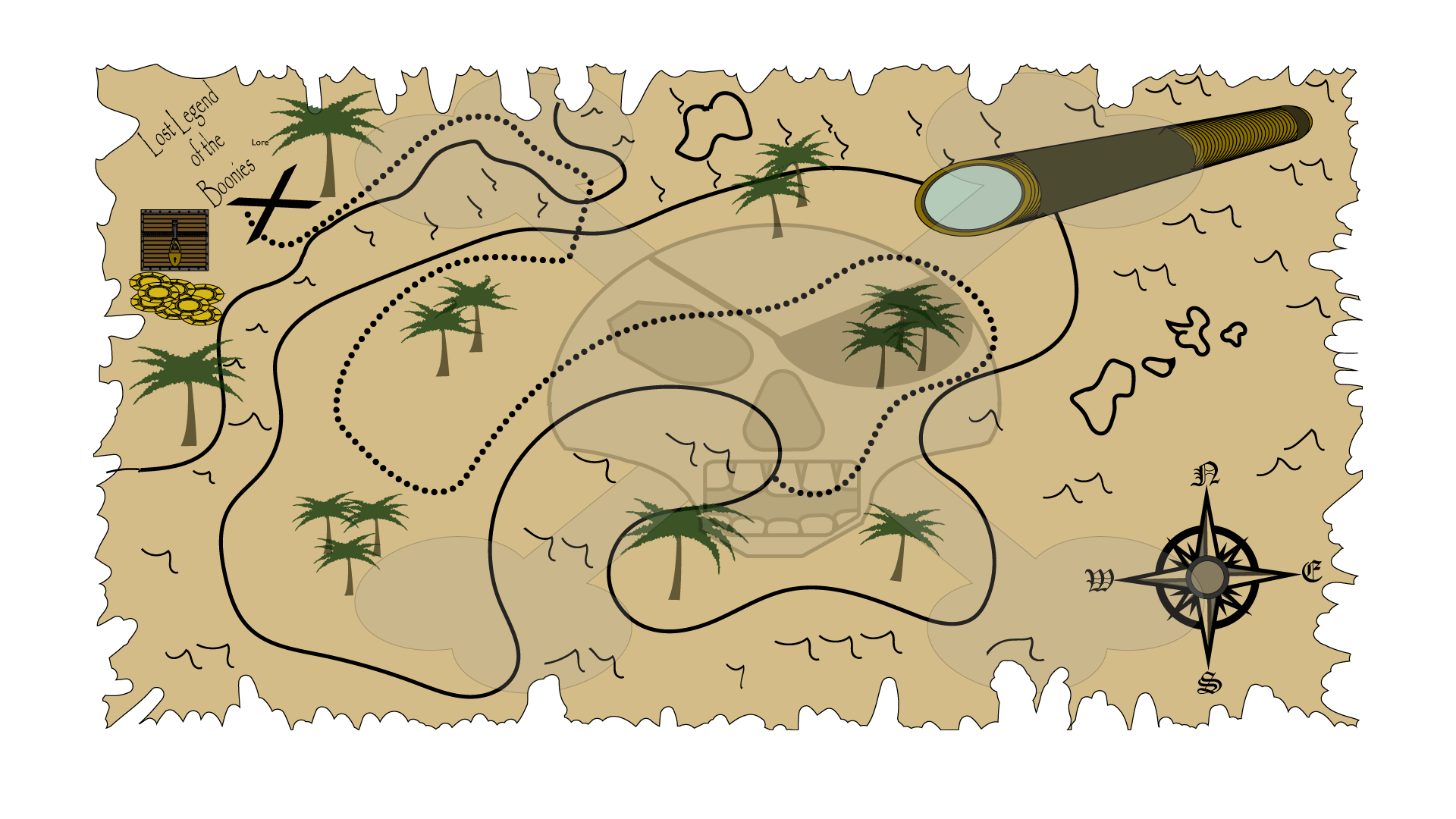
    Maps are the tool that we depend on to explore everything in both the physical world as well as the digital and online worlds. Mapmaking builds spatial awareness and critical thinking through making purposeful choices and by analyzing connections between information and objects. Whether mapping a city or designing websites, informational architecture maps help us to visualize complexity and transform abstract ideas into tangible and navigable experiences.

    Maps also offer clarity for everyone who visits the website showing where they should begin and which paths connect and lead to connecting bigger picture. This fosters imagination and ownership to empower users to explore content in ways as they see fit. Maps become invitations to explore, learn, and act. Mapmaking also supports cognitive development by reinforcing direction, size, and structure. This guides users through creative pages from blogs to services and store items.

    Maps make visual complexity of geography, art, history, and storytelling into simple network structures that are easy to understand visuals. Without maps users may get lost and frustrated which causes them to leave the website. The more comfortable the user is exploring the website, the more likely they will be to stay within the site exploring further. Mapmaking is not just an art, it is a vital part of website building.

  • “Draw to Win” – Express to Lead

    “Draw to Win” – Express to Lead

    “Draw to Win” by Dan Roam expresses visual thinking as a leadership tool. It invites us to draw our destination rather than just describing it. He outlines seven classic quests: Draw to Lead, Clarify, Discover, Create, Convince, Inspire, and Plan. Each quest transforms drawing into a strategic act. Whether to guiding a team, simplify complexity, or map out a path forward. These quests explain different ways in which drawing can solve problems, convey information, align people and ideas, inspire action or change, evoke emotions, and take complex information into a simplified drawing to better understand.

    Agency is the ability to make meaningful choices and influence outcomes. Dan Roam says that the participant becomes the protagonist actively shaping direction rather than passively receiving it. Drawing is a tool of agency that allows leaders to visualize options, clarify intentions, and invite collaboration.

    Part 2 of the class essay: I have not had much experience with similar media or books. I have not had any experience playing dungeons and dragons either. If I did, I imagine that I would immerse myself as the lead character. I would also be one to explore and ultimately win every quest as I do explore through the storyline. I always aim to win, but I also love to explore.

  • 14 Dungeons and Dragons Characters with Roles and Description

    14 Dungeons and Dragons Characters with Roles and Description

    1. Artifcer – Inventive spellcaster who blends magic and technology. Excels at crafting and support.
    2. Barbarian – Primal warrior fuel by rage. High durability and melee damage.
    3. Bard – Charismatic performer who uses music and magic to inspire, deceive, and heal.
    4. Cleric – Divine spellcaster devoted to a deity. Versatile healer, buffer, and combatant.
    5. Druid – Nature priest with shape-shifting and elemental magic. Strong in healing and control.
    6. Fighter – Master of weapons and tactics. Highly customizable for offense or defense.
    7. Monk – Martial artist with supernatural focus. Agile, fast, and able to deflect attacks.
    8. Paladin – Holy warrior bound by sacred oaths. Mixes melee combat with divine magic.
    9. Ranger – Wilderness scout and hunter. Use nature magic and excels at tracking and ranged combat.
    10. Rogue – Stealthy and cunning. Specializes in sneak attacks, traps, and infiltration.
    11. Sorcerer – Innate spellcaster with raw magical power. Fewer spells, but highly potent.
    12. Warlock – Magic user who gains power through a pact with a mysterious entity. Versatile and thematic.
    13. Wizard – Scholarly spellcaster with vast magical knowledge. Most versatile in spell selection.
    14. Blood Hunter – Dark warrior who uses forbidden techniques and blood magic. Created by Critical Role’s Matt Mercer.

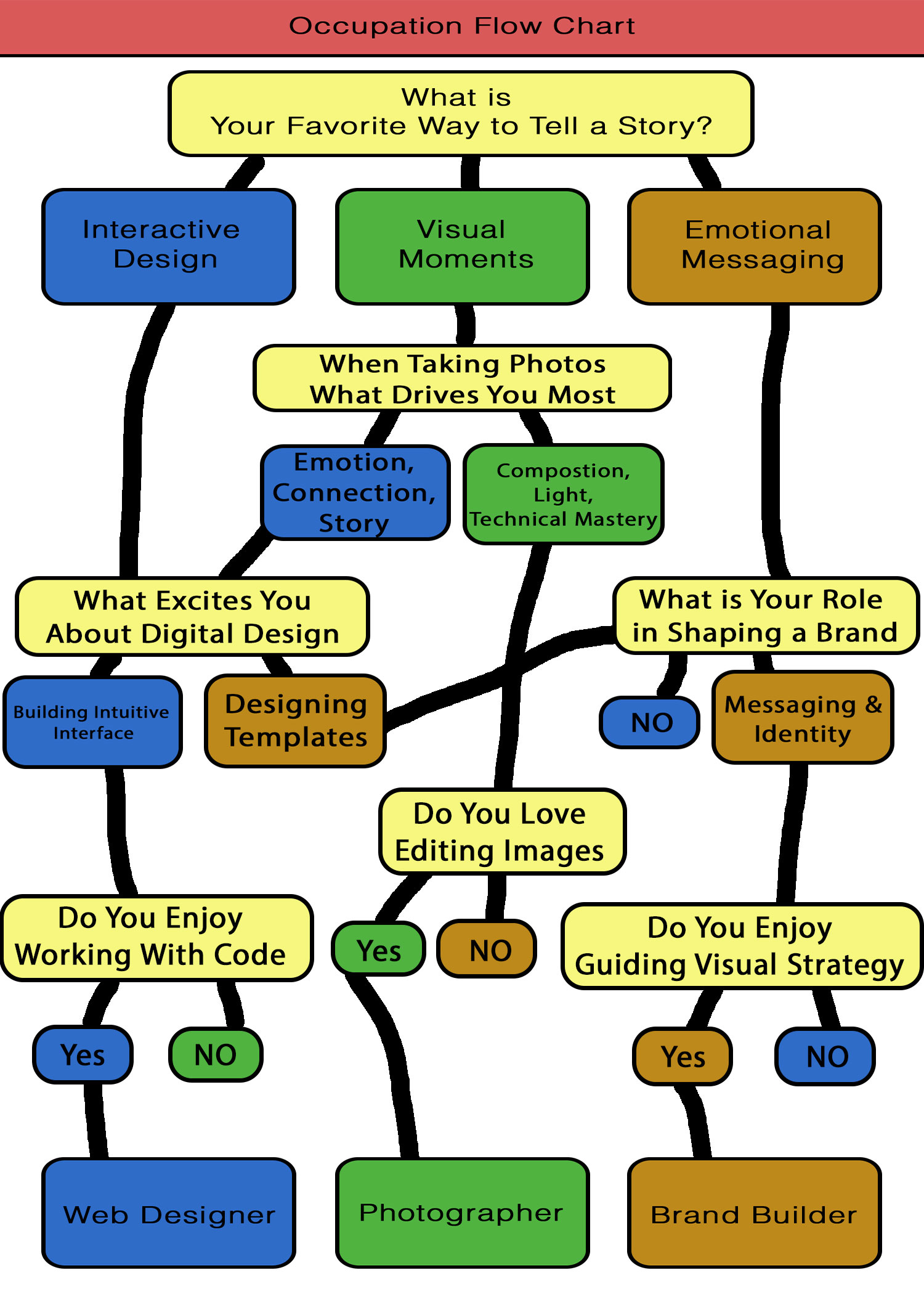
    Which Characters I relate with and fit with Photographer, Web Designer, and Brand Builder

    I am likely a Bard/Artificer/Druid multiclass at heart. Bard for emotional resonance and storytelling. Artificer for modular systems and technical mastery. Druid for nature-rooted vision and transformation.

  • The Princess Bride Impact

    The Princess Bride Impact

    The book The Princess Bride was written in 1973 and remains popular today. 14 years after the book was written, 1987, it was made into a movie. Although the movie did not top the box office charts in sales, it didn’t just disappear either. Over the years the movie continued to gain popularity and still sells today, 2025, for $14.99 + tax. Clearly the fan club not only remains, but it also continues to grow.

    There are key differences between the movie and the book such as how the story is narrated – fictional device vs a charming grandfather, The princess swimming with sharks vs screaming eels, and character styles. Still, both the book and movie have many similarities and follow the same storyline.

    Regardless of the differences and similarities, The Princess Bride, both book and movie, has had a major impact on our culture. This story blends romance, adventure, comedy, and fantasy which continues to inspire storytellers to push the boundaries of creativity. The storytelling style also paved the way for a self-aware narrative style which is popular for modern screen writing.

    For all these reasons, The Princess Bride is a book or movie worth your time. It can inspire creativity and storytelling style.

  • Playing is Practice

    Playing is Practice

    When everything is all work and no play nothing ever gets accomplished. Play is essential for our physical, mental, and emotional well-being. Play is responsible for how we learn new things, reset our minds to prevent fatigue, and happily stay fit. Without play, our minds and bodies will have negative consequences.

    Throughout our lives we use play to stay physically fit. From hiking forest trails, kayaking along the water ways, playing sports, or going on bike rides. It’s called play because these things are enjoyable to us and because they are enjoyable to us, we are encouraged to do them and in return we stay physically fit and ready to handle challenging tasks.

    Doing these things also greatly benefits our emotional well-being. Exercise that we enjoy is essential for creating happiness. Studies have been done showing a direct link between mental health, emotional well-being and exercise. When we don’t play or exercise, we subject ourselves to depression, anxiety, or worse.

    As we get older, play and exercise is still important for us to maintain a healthy life balance. Studies show a higher rate of productivity in the workplace when the employees have a healthy balanced lifestyle. They work harder and more efficiently due to being healthier.

    I often find myself accomplishing more when I get out of the house to go hiking, kayaking, or biking. This play increases my energy levels and emotional well-being.