Category: Infographic Data Visualization

  • “Draw to Win” – Express to Lead

    “Draw to Win” – Express to Lead

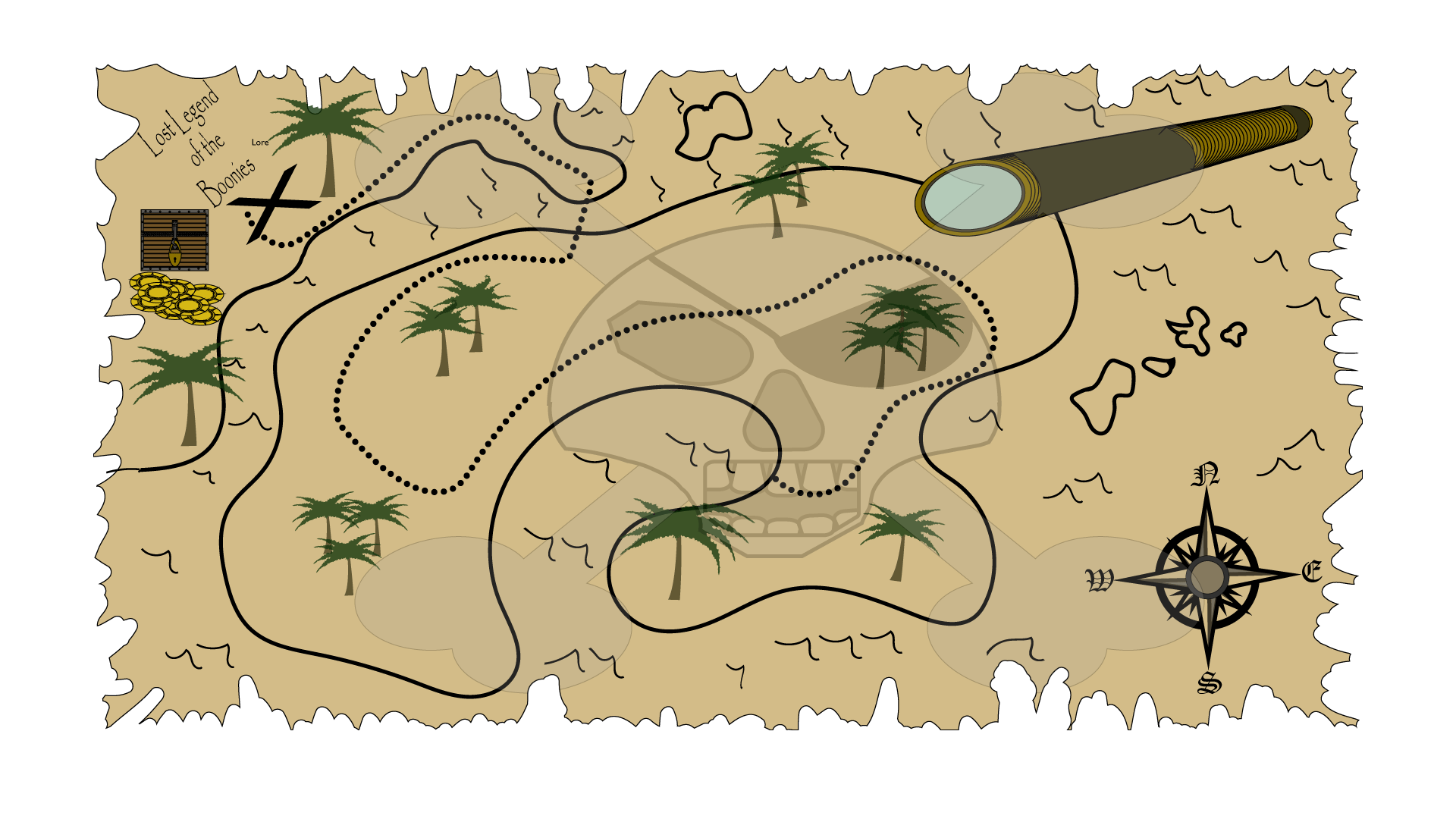
    “Draw to Win” by Dan Roam expresses visual thinking as a leadership tool. It invites us to draw our destination rather than just describing it. He outlines seven classic quests: Draw to Lead, Clarify, Discover, Create, Convince, Inspire, and Plan. Each quest transforms drawing into a strategic act. Whether to guiding a team, simplify complexity, or map out a path forward. These quests explain different ways in which drawing can solve problems, convey information, align people and ideas, inspire action or change, evoke emotions, and take complex information into a simplified drawing to better understand.

    Agency is the ability to make meaningful choices and influence outcomes. Dan Roam says that the participant becomes the protagonist actively shaping direction rather than passively receiving it. Drawing is a tool of agency that allows leaders to visualize options, clarify intentions, and invite collaboration.

    Part 2 of the class essay: I have not had much experience with similar media or books. I have not had any experience playing dungeons and dragons either. If I did, I imagine that I would immerse myself as the lead character. I would also be one to explore and ultimately win every quest as I do explore through the storyline. I always aim to win, but I also love to explore.
  • 14 Dungeons and Dragons Characters with Roles and Description

    14 Dungeons and Dragons Characters with Roles and Description

    1. Artifcer – Inventive spellcaster who blends magic and technology. Excels at crafting and support.
    2. Barbarian – Primal warrior fuel by rage. High durability and melee damage.
    3. Bard – Charismatic performer who uses music and magic to inspire, deceive, and heal.
    4. Cleric – Divine spellcaster devoted to a deity. Versatile healer, buffer, and combatant.
    5. Druid – Nature priest with shape-shifting and elemental magic. Strong in healing and control.
    6. Fighter – Master of weapons and tactics. Highly customizable for offense or defense.
    7. Monk – Martial artist with supernatural focus. Agile, fast, and able to deflect attacks.
    8. Paladin – Holy warrior bound by sacred oaths. Mixes melee combat with divine magic.
    9. Ranger – Wilderness scout and hunter. Use nature magic and excels at tracking and ranged combat.
    10. Rogue – Stealthy and cunning. Specializes in sneak attacks, traps, and infiltration.
    11. Sorcerer – Innate spellcaster with raw magical power. Fewer spells, but highly potent.
    12. Warlock – Magic user who gains power through a pact with a mysterious entity. Versatile and thematic.
    13. Wizard – Scholarly spellcaster with vast magical knowledge. Most versatile in spell selection.
    14. Blood Hunter – Dark warrior who uses forbidden techniques and blood magic. Created by Critical Role’s Matt Mercer.

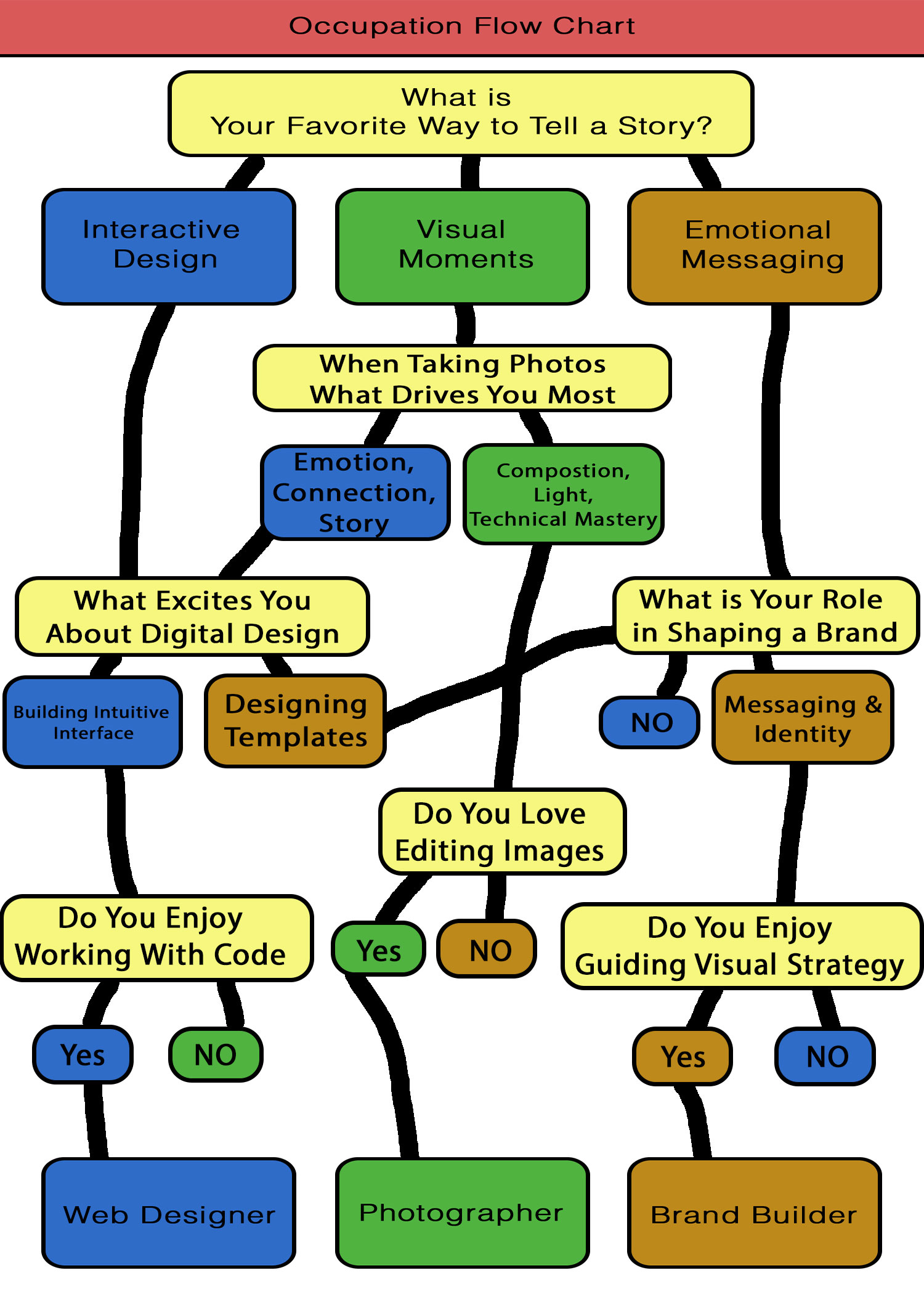
    Which Characters I relate with and fit with Photographer, Web Designer, and Brand Builder

    I am likely a Bard/Artificer/Druid multiclass at heart. Bard for emotional resonance and storytelling. Artificer for modular systems and technical mastery. Druid for nature-rooted vision and transformation.

  • The Princess Bride Impact

    The Princess Bride Impact

    The book The Princess Bride was written in 1973 and remains popular today. 14 years after the book was written, 1987, it was made into a movie. Although the movie did not top the box office charts in sales, it didn’t just disappear either. Over the years the movie continued to gain popularity and still sells today, 2025, for $14.99 + tax. Clearly the fan club not only remains, but it also continues to grow.

    There are key differences between the movie and the book such as how the story is narrated – fictional device vs a charming grandfather, The princess swimming with sharks vs screaming eels, and character styles. Still, both the book and movie have many similarities and follow the same storyline.

    Regardless of the differences and similarities, The Princess Bride, both book and movie, has had a major impact on our culture. This story blends romance, adventure, comedy, and fantasy which continues to inspire storytellers to push the boundaries of creativity. The storytelling style also paved the way for a self-aware narrative style which is popular for modern screen writing.

    For all these reasons, The Princess Bride is a book or movie worth your time. It can inspire creativity and storytelling style.

  • Drawing is Technology

    drawing of boots on grassy hill with sun rising and titled "Rooted and Ready"

    Drawing is our oldest technology for thinking and sharing ideas. This technology allowed us to evolve through visual problem solving. By drawing, people could record events and communicate new ideas long before written language had even been a thought in our minds. As we continue to explore caves, we continue to find drawings created by early humans that depict stories, plans and beliefs. This is significant because it shows drawing as a tool used for thinking and planning leading to evolving communication.

    Just like writing shows thought processes, drawing is visual thinking that helps us to see patterns and solutions in a clearer way than words can. Drawing is fast and universal. Simple shapes such as circles, squares, lines, and arrows can show complex ideas instantly. This can lead to easier communication universally and convert small thoughts into multi-million-dollar companies or revolutionary technology.

    “Digital Storytelling” is a powerful tool that takes drawing technology to a whole new level. This can include video, audio, animation, photography, and interactive media on a digital interface such as a cell phone or computer and often accessed through the internet. When we use digital storytelling as a tool, we create immersive and emotionally resonant experiences that can captivate audiences and encourage them to invest in us both mentally and financially.

    “Infographics” is yet another way that drawing technology has evolved and is a way to convey information with little user effort required. This usually includes charts, icons, images, and text. This can be helpful for making sales or securing contracts.